PSALM 127
1 Unless the LORD builds the house,
those who build it labor in vain.
Unless the LORD watches over the city,
the watchman stays awake in vain.
2 It is in vain that you rise up early
and go late to rest,
eating the bread of anxious toil;
for he gives to his beloved sleep.
3 Behold, children are a heritage from the LORD,
the fruit of the womb a reward.
4 Like arrows in the hand of a warrior
are the children of one’s youth.
5 Blessed is the man
who fills his quiver with them!
He shall not be put to shame
when he speaks with his enemies in the gate.
TEN POINTS TO PONDER
Nothing that really matters in life can be successfully accomplished without God.
Even the mundane things of life can become marvelous when they are done for the glory of God.
A full life without God will be eternally empty.
The temple was a reminder that building can be successful when God is in it, and the walls of Jerusalem were a reminder that safety is possible when God is in it.
If all of your hard work leaves you anxious and without sleep, is it really worth it?
Peace is a great gift from God. One can be at peace, even if unfomfortable or unsafe. One can be at peace, even if unsuccessful in the eyes of the world. Peace is from God, not something we achieve for ourselves.
We like to think that we can build a great life for ourselves, but the greatest gifts of all are the ones that are given to us by God (namely, salvation and children).
An arrow that is not intentionally aimed will never hit its target. In the same way, a child that is not intentionally aimed will never become what the parents hope.
When parents don’t let go, children don’t reach their potential. From the moment your child is born, your job is to get them ready to leave.
Solomon, the author of this Psalm, built the LORD’s house, but sadly did not build his own house on the LORD. It is possible to be so busy doing ministry that we neglect the more important responsibility of family.
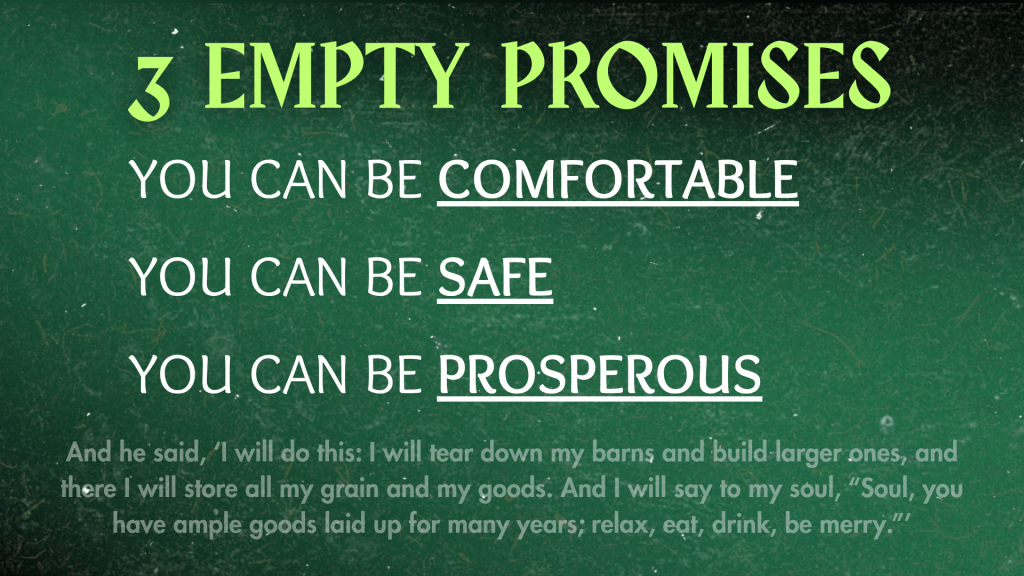
5 SIMPLE TRICKS TO BE A SUPER-STAR PARENT
Every parent wants to become a better parent. One of the greatest opportunities we have is learning how to communicate well when our children need correction.
The truth is, learning to receive correction is one of the defining characteristics of a wise person. If our children can grow into adults who accept correction with humility instead of resisting it with pride, they will avoid countless heartaches. The way we correct them today will shape the way they respond to correction for the rest of their lives.
I recently came across the following principles in an article about parenting. While the article was written primarily to fathers, the wisdom applies to every parent.
The next time you need to correct your child, keep these five reminders in mind:
1. Don’t waste words.
Resist the urge to over-explain, over-apologize, or lecture. Calm, confident, and concise correction is usually far more effective than a lengthy speech.
2. Don’t threaten.
Empty threats only weaken your credibility. Say what you mean, and follow through consistently.
3. Be clear about expectations.
Don’t assume your child knows exactly what you expect. Make your expectations simple, specific, and unmistakably clear.
4. Be clear about consequences.
Especially in areas where your child has struggled before, they should know in advance what will happen if they choose to disobey. Surprises rarely produce growth; consistency often does.
5. Take decisive action.
When correction is needed, don’t delay or hesitate. Loving, measured, and consistent action communicates security and builds trust.
None of us gets this right every time.
Just as our children need grace, so do we. There will be moments when we overreact, underreact, or simply handle things poorly. When that happens, don’t pretend it didn’t happen. Humbly admit your mistake, ask for forgiveness when appropriate, learn from it, and move forward.
Perfect parents don’t exist. But humble, growing parents are exactly what our children need.

Click on the image to download the DiscipleQuest PDF
The DiscipleQuest PDF includes 7 days of verse study prompts. You can use these seven studies to dig deeper into what the Bible teaches about building a life with or without God:
- Proverbs 14:12
- Matthew 7:24-27
- Colossians 2:6-7
- 1 Corinthians 3:11
- Mark 8:36
- Jeremiah 17:5
- Ecclesiaster 2:11

Use these questions as journal prompts or as conversation starters with a group of friends or a Bible study group:
What is something you have built that you are proud of?
What is something you protect? that you work hard to keep from losing?
Read Psalm 127:1-2. Have several people rephrase these verses in their own words.
Other than houses, what are things people build in their lives?
If someone observed the way you spend your money, time, and energy, what would they assume you were building with your life?
What do you think it means to build with God or to build without God?
What do you think God wants you to build with your money, time, and energy?
Why is safety such a high value for many people? What does this Psalm say about safety (v1)?
How does your need or desire for safety work together with your trust in God?
What is the difference between having a healthy ambition and turning success or advancement into an idol?
Hard work is not bad, but when can hard work become a bad thing?
When you work hard, are you usually working for God’s glory or for your own security, comfort, or recognition?
How can you invite God into your work this week?
What will it look like for you this week to depend more upon God?


Leave a Reply