
PSALM 130
1 Out of the depths I cry to you, O LORD!
2 O Lord, hear my voice!
Let your ears be attentive
to the voice of my pleas for mercy!
3 If you, O LORD, should mark iniquities,
O Lord, who could stand?
4 But with you there is forgiveness,
that you may be feared.
5 I wait for the LORD, my soul waits,
and in his word I hope;
6 my soul waits for the Lord
more than watchmen for the morning,
more than watchmen for the morning.
7 O Israel, hope in the LORD!
For with the LORD there is steadfast love,
and with him is plentiful redemption.
8 And he will redeem Israel
from all his iniquities.
10 POINTS TO PONDER
Sometimes our difficulties are a result of our own poor choices, and sometimes they are outside of our control. Regardless of the source, we can always choose to respond by crying about them or by crying out for help with them.
The hard times in life are not what define you. Your response to the hard times in life is what defines you.
Complaining is like mold to the soul. The more you hold on to your gripes, the more infectious and widespread they become. Eventually, they take over and destroy your life.
If you never pause and wait for God to work things out, you’ll never experience His deliverance. If you never experience His deliverance, your faith in Him will never grow. If your faith in Him never grows, you’ll have a hard time pausing and waiting for Him to work things out. You have to give up control at some point; it launches the cycle of trust, faith, and growth.
“The depth is simply the height inverted, as sin is the index of moral grandeur. The cry is not only truly human, but divine as well. God is deeper than the deepest depth in man. He is holier than our deepest sin is deep. There is no depth so deep to us as when God reveals his holiness in dealing with our sin…. [And so] think more of the depth of God than the depth of your cry. The worst thing that can happen to a man is to have no God to cry to out of the depth.” (Eugene Peterson)
To fear God is not to hide from God. Rather, it is to know Him, to love Him, to Revere Him, to worship Him, and to serve Him. However, until our sin is forgiven, we can only hide from Him.
Every world religion seeks to assuage guilt and shame by working harder and doing more. If you don’t measure up, their rules simply teach you to work harder and do more. Yet, we know that this is an impossible exercise. We can never do enough or work hard enough to overcome the far-reaching harm of our sin. We need forgiveness, and we cannot earn or provide that for ourselves.
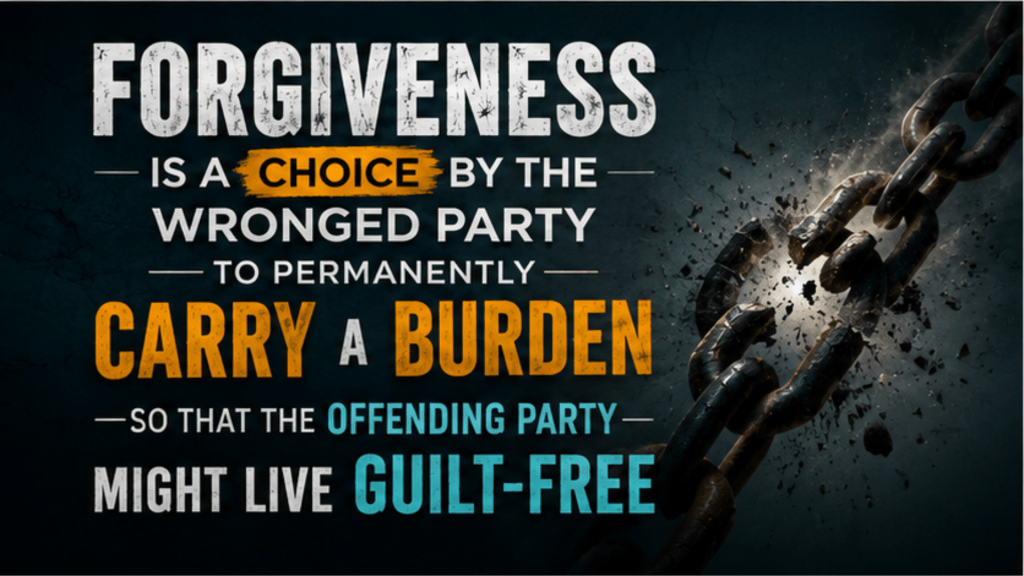
God (in Christ) IS forgiveness. Just as Jesus is the personification of God’s love, He is also the personification of God’s forgiveness. He willingly bears the guilt-burden of our sin so that we can live freely, both now and eternally with Him.
When I find myself in the depths of life, I can remind myself that God’s steadfast love means He is with me in the struggle. His plentiful redemption means that He has and is working on my behalf. His forgiveness means I can be confident of a future with Him.
If my hope is in myself, I will be disappointed.
If my hope is in my friends and family, I will be disappointed.
If my hope is in politicians or government, I will be disappointed.
If my hope is in role models or influencers, I will be disappointed.
If my hope is in Jesus, I will be content.
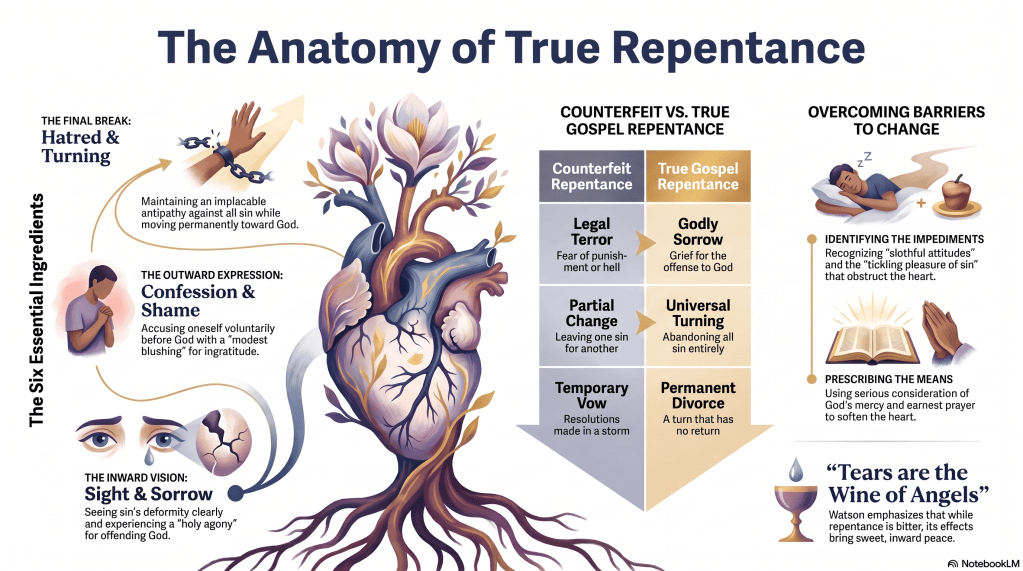
EVEN AT THIS LATE HOUR
Joel, the prophet, called on the nation of Israel to repent.
Chapter two of his writings paints a frightening picture of the impending doom his countrymen faced. He predicted the advance of a powerful attacking army such as had never been seen before. He described those days as dark, cloudy, and gloomy.
But he also reminded Israel that their God was still able to save them.
“Even at this late hour,” Joel said, “when things look so bad, our God can still save the day.”
He reminded his friends that God is gracious, merciful, slow to anger, abounding in steadfast love, and One who relents from punishing.
“Even though we don’t deserve it,” Joel preached, “God still may rescue us!”
Joel called the nation to repent.
A Call to Repentance
Old people, young people—even babies—were to gather and cry out for salvation.
This was not a time for celebration. Joel told bridegrooms and brides to leave their ceremony and join the congregation in a nationwide appeal to God.
“Spare your people, O LORD. Do not let your reputation be mocked. Do not let people say, ‘Where is their God?’”
A Prayer for Today
The prayer Joel prescribed for Israel can also be prayed by you.
You may not face an advancing horde of Assyrians, a plague of locusts, or a devastating famine. You may, however, find yourself in dark days, living under a cloud of gloom.
Perhaps it is time for you to turn back to God, your Father, and allow Him to step in and save you.
Use the prayer of Israel as a template for your own repentance.
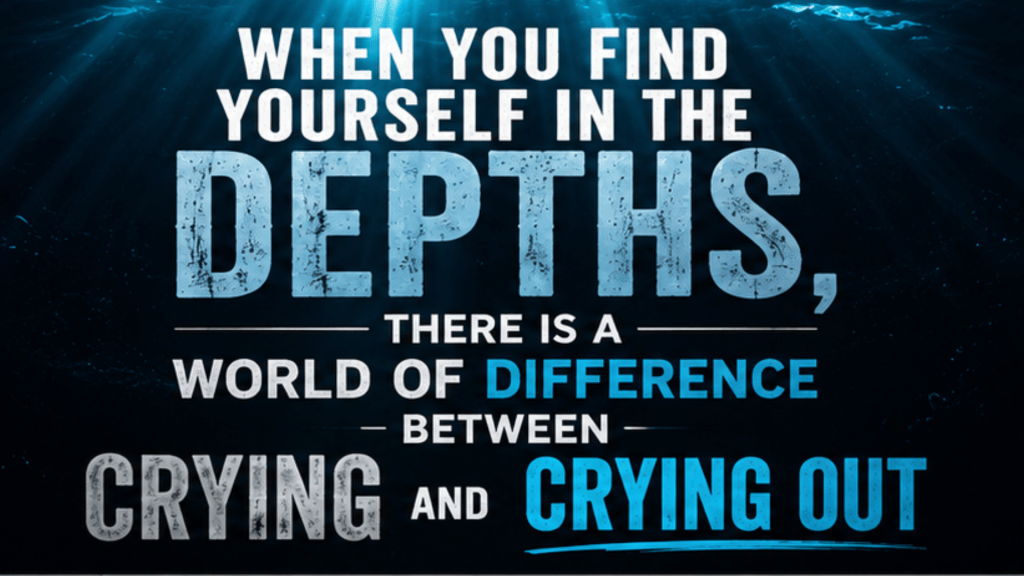
A Truly Repentant Prayer Is About God’s Glory
- Recognize that your sin besmirches God’s reputation.
- Look into your heart to discover genuine and authentic pain for the negative publicity you have brought to God’s name.
- Recognize that your salvation enhances God’s reputation.
- Let your repentance be a promissory note to repay God’s mercy and grace with your own public worship and witness.
Joel’s appeal remains just as relevant today as it was when he first proclaimed it:
“Rend your hearts and not your clothing. Return to the LORD, your God, for He is gracious and merciful, slow to anger, and abounding in steadfast love, and relents from punishing.” (Joel 2:13)

Click on the image to download the DiscipleQuest PDF
The DiscipleQuest PDF includes 7 days of verse study prompts. You can use these seven studies to dig deeper into what the Bible teaches about waiting with hope:
- Lamentations 3:25-26
- Isaiah 30:18
- Romans 8:24-25
- James 5:7-8
- Galatians 6:9
- Psalm 33:18-22
- Titus 2:11-13

Use these questions as journal prompts or as conversation starters with a group of friends or a Bible study group:
Do you have any good “restoration stories”? (cars, houses, relationships, etc.)
What types of emotions result when a broken relationship is restored? Why is it often so difficult to restore a broken relationship?
What kinds of things (words, thoughts, actions, etc.) cause our relationship with God to be broken? How do we restore our relationship with God?
Read Psalm 51:1-6. Which of these verses make the biggest impression on you? Why?
What character traits does David use to describe God in these verses? How does David speak of himself in these verses? Do your feelings about yourself ever seem similar to David’s?
Read Psalm 51:7-12. What does David want God to do for him?
In verse 12, David talks about the “joy of salvation”. Have you ever experienced the joy of salvation? How would you describe it?
Have you ever had a time when you felt that God “restored” your relationship with Him? How did you respond?
Read Psalm 51:13-19. Verses 13-15 talk about how we respond after God forgives us. Do you think most Christians spend enough time telling others what God has done for them? Why or why not?
When God forgives our sins, what should we tell others about that experience? In your own words, how would you describe God’s forgiveness?
What is your one key take-home thought after reading this Psalm?


Leave a Reply